Cinder
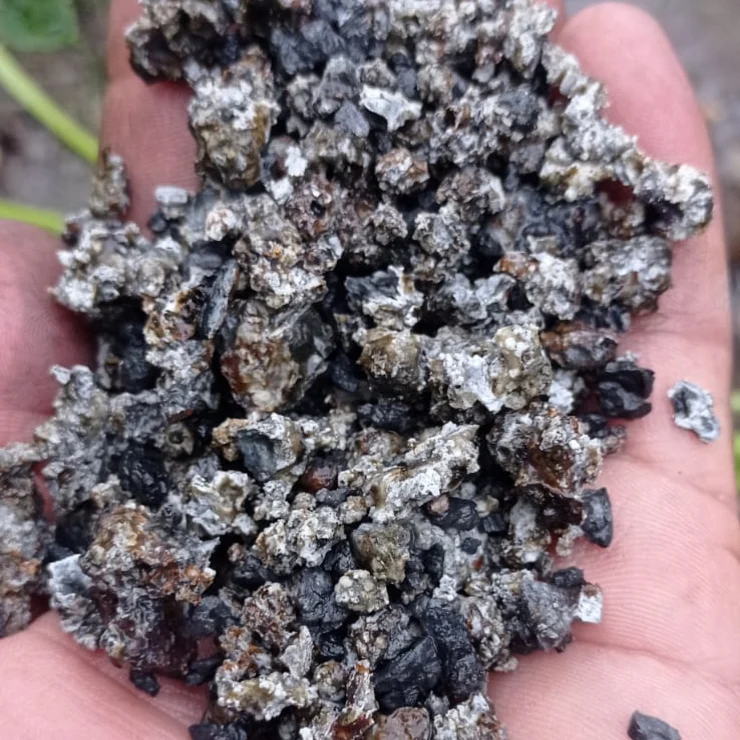
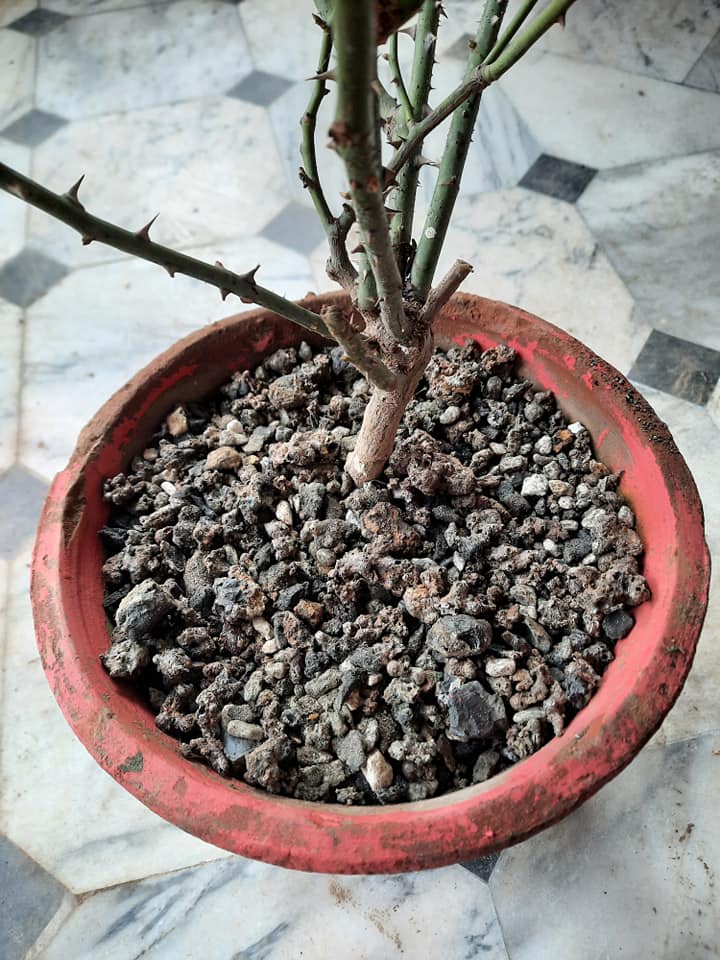
Cinder is a natural, porous material used to improve drainage and airflow in soil. It’s especially useful in Pakistan’s hot and humid climates, where overwatering and poor soil aeration can lead to root rot.
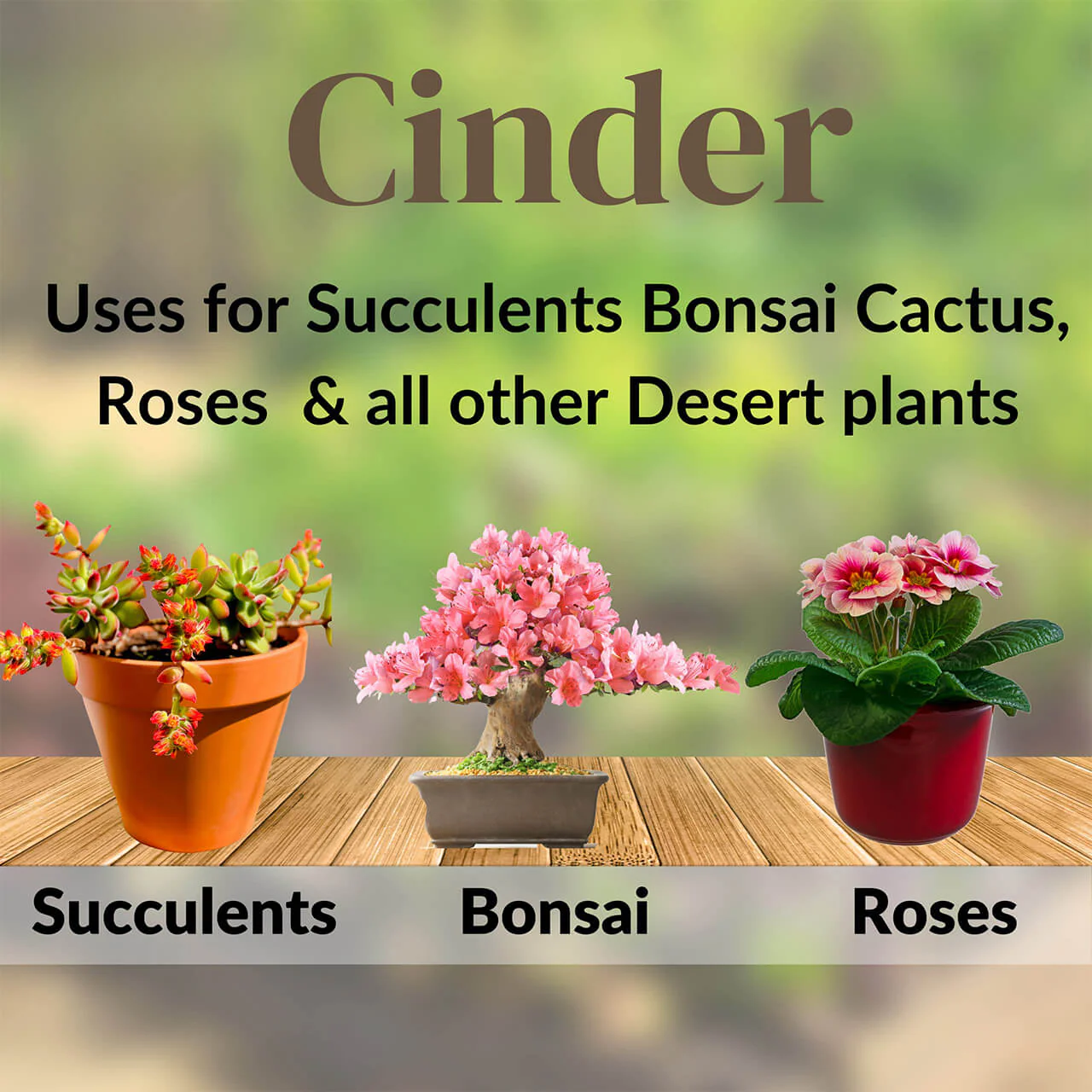
Cinder is commonly used in potted plants, succulent setups, bonsai, adeniums, garden beds, lawns, and rooftop gardens to keep roots healthy and prevent waterlogging. It’s lightweight, reusable, and works well in both indoor and outdoor setups.
Benefits:
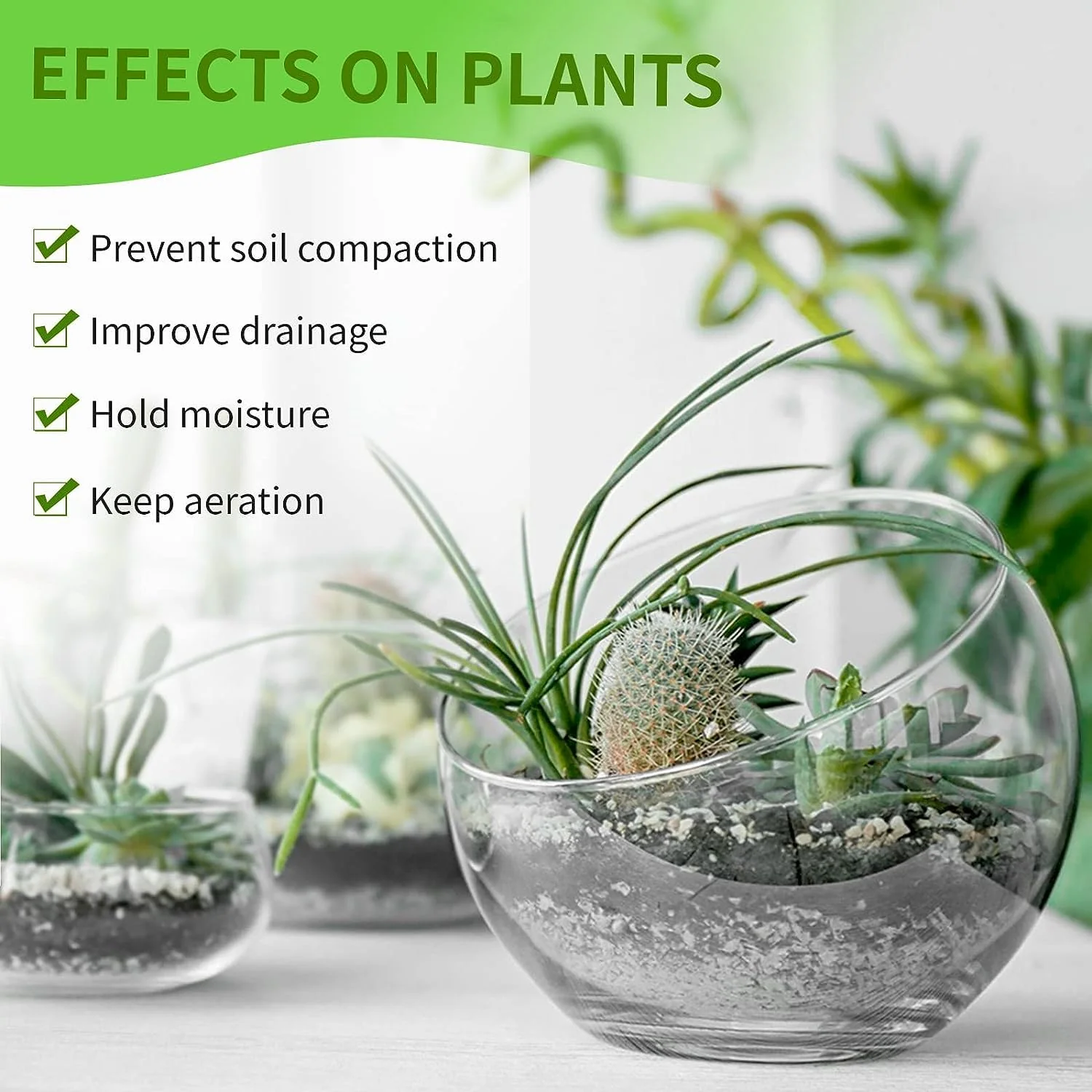
- Improves Drainage: Reduces standing water in pots, beds, and compact soil
- Boosts Aeration: Allows roots to breathe and grow stronger
- Lightweight & Reusable: Easy to handle, and can be reused after rinsing
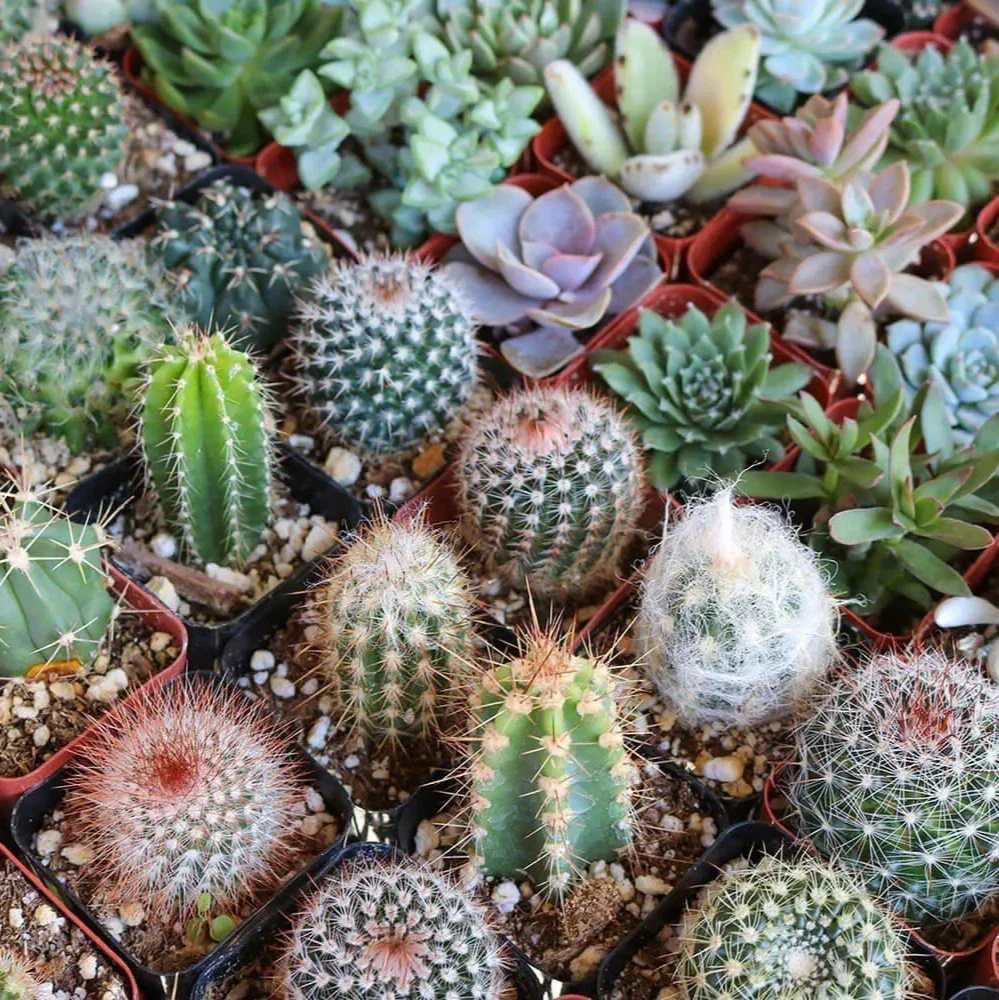
- Perfect for Succulents & Cacti: Helps avoid root rot in dry-loving plants
- Mixes Easily: Works well with cocopeat, compost, and garden soil
How to Use Cinder
1. For Potted Plants:
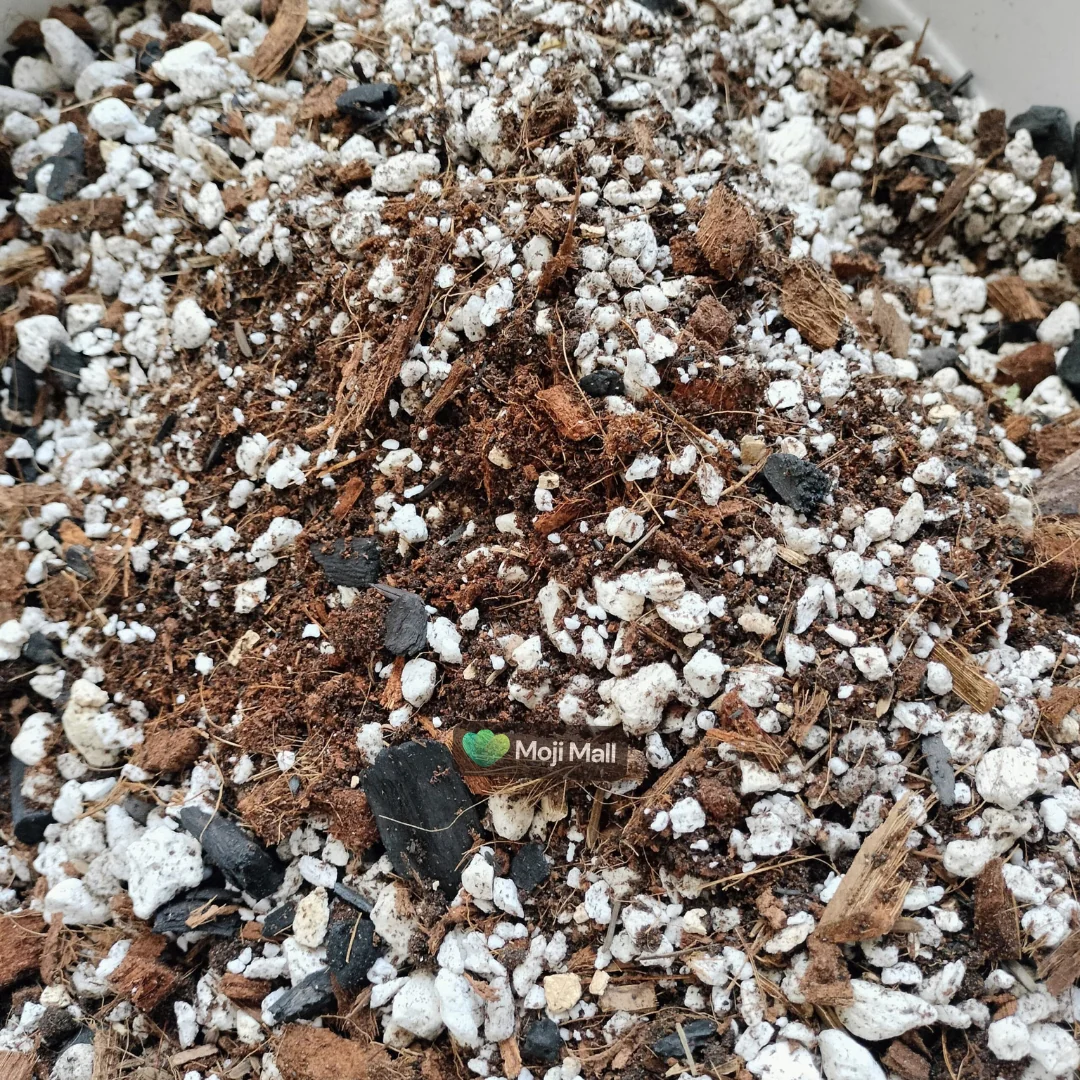
- Mix 20–30% cinder with regular soil or cocopeat
- Best for indoor/outdoor pots, flowering plants, roses, adeniums and bonsai
2. For Garden Beds or Raised Beds:
- Blend 50% cinder into heavy or clay-like soil for better drainage
- Great for lawns, rooftop gardens, or areas with poor water flow
3. For Succulent Mixes:
- Use 30–50% cinder with perlite and sandy soil for cactus and aloe-type plants
4. For Hydroponics or Orchids:
- Use as a base layer for drainage or support media in soilless setups
FAQs – Cinder for Gardening
Is cinder safe for flowering plants like roses and hibiscus?
Yes, it helps improve drainage and root health in flowering plants, especially in pots.
Can I use cinder instead of perlite or pumice?
Yes. Cinder offers similar drainage benefits but holds less moisture than perlite or pumice. It's a good option for succulents, bonsai and adeniums, especially in hot or humid areas.
What’s the best way to mix cinder for potting?
Mix 30–50% cinder with cocopeat, compost, or sandy soil. This gives you the drainage of cinder with enough moisture retention for healthy root growth.
Does cinder work in rainy areas or during monsoon?
Yes — it prevents water from pooling around roots. Ideal for use during Pakistan’s monsoon season or in clay-heavy soils.
Original: $0.79
-70%$0.79
$0.24Product Information
Product Information
Shipping & Returns
Shipping & Returns
Description
Cinder is a natural, porous material used to improve drainage and airflow in soil. It’s especially useful in Pakistan’s hot and humid climates, where overwatering and poor soil aeration can lead to root rot.
Cinder is commonly used in potted plants, succulent setups, bonsai, adeniums, garden beds, lawns, and rooftop gardens to keep roots healthy and prevent waterlogging. It’s lightweight, reusable, and works well in both indoor and outdoor setups.
Benefits:
- Improves Drainage: Reduces standing water in pots, beds, and compact soil
- Boosts Aeration: Allows roots to breathe and grow stronger
- Lightweight & Reusable: Easy to handle, and can be reused after rinsing
- Perfect for Succulents & Cacti: Helps avoid root rot in dry-loving plants
- Mixes Easily: Works well with cocopeat, compost, and garden soil
How to Use Cinder
1. For Potted Plants:
- Mix 20–30% cinder with regular soil or cocopeat
- Best for indoor/outdoor pots, flowering plants, roses, adeniums and bonsai
2. For Garden Beds or Raised Beds:
- Blend 50% cinder into heavy or clay-like soil for better drainage
- Great for lawns, rooftop gardens, or areas with poor water flow
3. For Succulent Mixes:
- Use 30–50% cinder with perlite and sandy soil for cactus and aloe-type plants
4. For Hydroponics or Orchids:
- Use as a base layer for drainage or support media in soilless setups
FAQs – Cinder for Gardening
Is cinder safe for flowering plants like roses and hibiscus?
Yes, it helps improve drainage and root health in flowering plants, especially in pots.
Can I use cinder instead of perlite or pumice?
Yes. Cinder offers similar drainage benefits but holds less moisture than perlite or pumice. It's a good option for succulents, bonsai and adeniums, especially in hot or humid areas.
What’s the best way to mix cinder for potting?
Mix 30–50% cinder with cocopeat, compost, or sandy soil. This gives you the drainage of cinder with enough moisture retention for healthy root growth.
Does cinder work in rainy areas or during monsoon?
Yes — it prevents water from pooling around roots. Ideal for use during Pakistan’s monsoon season or in clay-heavy soils.